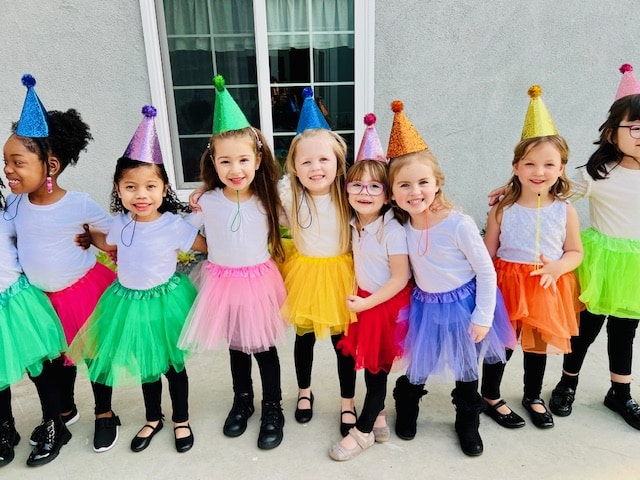
6 Key Benefits of Preschool Dance Classes for Your Child
Enrolling your child in preschool dance classes is a wonderful way to support their overall development. Dance is more than just movement—it fosters confidence, creativity, and essential social skills while also building physical strength and coordination.
As children engage in dance, they learn to express themselves, interact with peers, and develop lifelong healthy habits. These foundational skills will benefit them in school, relationships, and future activities.
Here are six powerful benefits of preschool dance classes:
Mental Benefits of Preschool Dance Classes
1 Boosts Confidence and Resilience
One of the greatest benefits of dance is the confidence it builds in young children. Learning new steps, performing in front of others, and seeing their progress gives kids a strong sense of accomplishment.
Even if certain moves feel challenging at first, children learn to overcome obstacles, practice persistence, and celebrate their achievements. Research has shown that dance helps boost self-esteem, empowering kids to take on new challenges in all areas of life.
Additionally, dance encourages problem-solving, teamwork, and emotional intelligence. As children support their classmates and master new skills, they develop a greater belief in their own abilities.
2. Encourages Creativity and Self-Expression
Preschoolers have big imaginations, and dance gives them a creative outlet to express themselves through movement. Since young children are still developing their verbal skills, dance allows them to communicate emotions and ideas in a different way.
Many dance classes incorporate storytelling, role-playing, or imaginative play—like pretending to be animals or moving like the wind—which enhances creativity and keeps children engaged.
Having a creative outlet also supports mental well-being. Children who learn to express themselves through movement develop healthy coping skills, which can help them manage emotions and relieve stress throughout their lives.
3. Develops Strong Social Skills
Preschoolers are in the early stages of learning how to interact with others, and dance classes provide a structured yet fun environment to develop essential social skills.
Children learn to take turns, share space, and collaborate with their peers. They build friendships, practice teamwork, and gain a sense of belonging in a supportive setting.
Dance also teaches young children how to resolve minor conflicts and communicate effectively. Whether waiting their turn with the teacher or working together on a group movement, they develop skills that will help them navigate school and future social interactions.
Physical Benefits of Preschool Dance Classes
4. Enhances Flexibility and Coordination
Preschoolers’ bodies are growing rapidly, and dance helps them develop flexibility, balance, and coordination.
Coordination is crucial for everyday tasks like running, jumping, and even writing. Dance strengthens these motor skills in a fun, engaging way. The more preschoolers practice, the better they become at controlling their movements, which helps them in other activities like sports and playtime.
Additionally, flexibility reduces the risk of injury and supports overall physical development. Learning to move their bodies in new ways helps children become more agile and adaptable.
5. Encourages Healthy Lifestyle Habits
Young children naturally love to move, but structured dance classes reinforce the importance of staying active. By engaging in movement regularly, children develop a positive association with exercise, which can lead to lifelong healthy habits.
Dance also promotes better sleep. Studies show that active children fall asleep faster and experience more restful sleep, which is essential for overall health. A well-rested child is more focused, happier, and ready to learn.
Additionally, preschoolers are surrounded by positive role models—teachers who encourage movement, nutrition, and self-care. These early influences help shape a child’s approach to wellness for years to come.
6. Improves Body Awareness and Posture
Preschoolers are still learning how their bodies move, and dance helps them develop a strong sense of body awareness.
Through dance, children gain better control over their movements, improving their posture and balance. A well-developed
sense of body awareness makes everyday activities—like walking, sitting, and playing—more comfortable and coordinated.
Better posture also supports overall health by reducing strain on muscles and joints. Learning proper alignment in dance helps children move more efficiently and safely in all areas of life.
The Lasting Impact of Preschool Dance
Preschool dance classes provide a strong foundation for both mental and physical growth. From increased confidence and creativity to improved coordination and healthy habits, dance helps children develop essential life skills.
By enrolling your child in dance, you’re giving them more than just a fun activity—you’re setting them up for success in school, relationships, and future physical activities. The benefits of dance extend far beyond the studio, shaping a child’s confidence, social skills, and well-being for years to come.